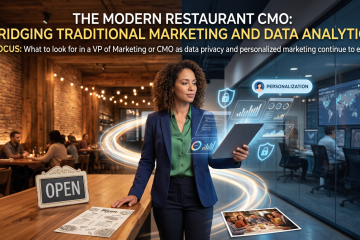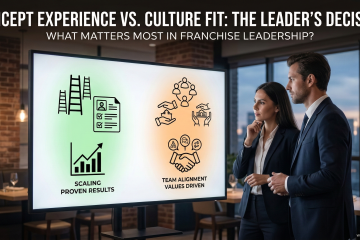
The restaurant and hospitality industry is undergoing significant leadership changes. As veteran executives who led brands through the early 2020s retire or move into advisory roles, a critical succession gap is emerging.
For founders, boards, and private equity firms focused on long-term growth, this generational shift presents both risk and opportunity. The next generation of C-suite leaders, primarily older Millennials and Gen Xers, brings new priorities, operational approaches, and technology expertise.
To remain competitive, scale effectively, and deliver strong ROI, brands must identify, attract, and retain the next wave of executive talent. Here is how leading restaurant groups are preparing for this transition.
1. Identifying High-Potential “Next-Gen” Leaders
Historically, advancement to CEO or COO was linear. Today’s most effective leaders demonstrate cross-functional agility and understand that marketing, digital technology, and operations must work together.
When evaluating VP and Director-level talent for C-suite readiness, boards should look for:
- Data Fluency: They go beyond reading P&L statements, leveraging real-time analytics, dynamic pricing, and AI-driven supply chain forecasting to protect margins.
- Cultural Architecture: Younger executives prioritize employer branding and mental health. Leaders who build strong internal cultures are key to reducing front-line turnover.
- Agility Over Tradition: They respect hospitality’s foundations but are willing to move away from legacy systems or extensive menus when market conditions require change.
2. Structuring 2026 Compensation and Equity Packages
Attracting aggressive, high-performing executive talent in 2026 requires more than just a competitive base salary. The next generation of leaders wants “skin in the game” and a clear alignment between their compensation and the value they create.
To attract top candidates, private equity firms and founders must reconsider their offer structures:
- Equity and Performance Multipliers: Phantom stock, profit-sharing, and clearly defined equity vesting schedules are non-negotiable for top VP and C-level talent stepping into growth concepts.
- Autonomy and Impact: Next-gen leaders want the authority to make sweeping operational changes. They are interviewing you as much as you are interviewing them to ensure the board will support their strategic vision.
- Work-Life Integration: Although the industry requires long hours, modern executives expect flexibility and prioritize results and KPIs over a traditional office presence.
For private equity investors, an unexpected C-suite vacancy is more than an operational challenge; it can extend the timeline to profitability and delay exit strategies.
Delaying an executive search until a CEO or CFO resigns puts your investment at risk. Proactive succession planning means continuously monitoring the market, identifying key talent, and building relationships before a vacancy occurs.
Bridge the Gap with NRH Search
At NRH Search, our team brings over 100 years of combined industry experience. We understand the unique demands of the restaurant, franchise, and hospitality sectors and know how to find the right executive to bridge the succession gap.
Whether you are a private equity firm seeking to strengthen a portfolio company’s leadership or a founder preparing for transition, we can help you find the talent to drive your business forward.
Start your executive search with confidence. Contact Ron Stockman and the NRH Search team today to discuss your leadership pipeline.